


Trigger Finger
Trigger finger/thumb is a painful condition characterised by clicking or locking of the affected finger or thumb as it bends or straightens. Trigger finger sometimes develops after an injury, but most trigger fingers develop without a clear cause. The condition is caused by swelling of the tendon or development of nodules within its coat-like sheath, causing the catching and locking.
Treatment of trigger finger varies between people and in some cases, trigger finger resolves on its own. Treatment of trigger finger may include advice on rest and avoiding activities that cause symptoms, splinting, exercises and anti-inflammatories. More invasive treatments that have been shown to be successful include steroid injection and surgery. (1,3,5)
Frequently Asked Questions
Trigger finger/thumb is a painful condition with clicking or locking of the affected finger or thumb as it bends or straightens. This is normally caused by swelling of the tendon or the development of nodules (pea-sized lumps).
Trigger finger is a rare condition that can affect any finger but most commonly affects the ring finger and thumb.
Between 1 – 3% of the population will develop trigger finger in their lifetime. (1,4)
No. With the correct management, trigger fingers recover well.
Trigger finger is not linked to other serious pathologies however, people with certain medical conditions are at a higher risk of developing trigger finger.
Typically, those aged between 40-60 years old are more likely to develop trigger finger. (1)
Diabetics are at a higher risk of developing trigger finger than non-diabetics. (3)
Females are more commonly affected. (3)
Pain or tenderness at the base of the finger or thumb.
Locking when the finger is bent and/or clicking of the flexor tendon during bending and straightening.
Some patients may present with a bent finger that needs to be forcefully extended to ‘unlock’ the finger.
A painful nodule (pea-sized lump) may be felt. (3)
There are many things you can do to help recover:
Avoid activities that cause pain. If you suspect you are suffering from a trigger finger, it is advised you seek advice from a qualified physiotherapist.
Trigger finger is normally managed with rest, splinting, exercises and non-steroidal anti-inflammatory drugs (NSAIDs). In some cases, a corticosteroid injection may be considered. If conservative management fails, surgery is normally considered. (1)
This will depend upon several factors including, but not limited to, medical/lifestyle factors and stage of injury progression.
52% of trigger fingers resolve spontaneously in 18 months. (5)
If opted for, steroid injection relieves pain and symptoms in 70% of trigger fingers and the recovery afterward can take a few days up to a few weeks. (1)
We recommend consulting a musculoskeletal physiotherapist to ensure exercises are best suited to your recovery. If you are carrying out an exercise regime without consulting a healthcare professional, you do so at your own risk.
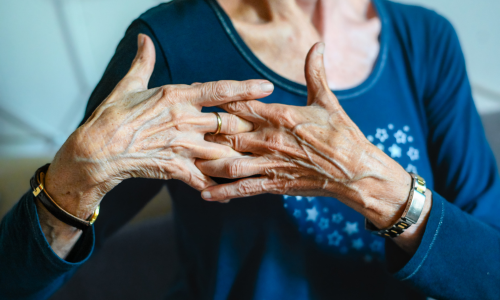
Trigger finger is caused by swelling of one or more of the tendons that bend the fingers or thumb, however, the reason this swelling develops is not fully understood. The swelling of the tendon makes it difficult for the tendon to move within its sheath, resulting in stiffness and pain. If a nodule (small lump) develops from the tendon bunching, this can cause locking or catching of the affected finger/thumb. Repetitive finger movements and local trauma are suggested causes of trigger finger, but this has not been confirmed and most cases of trigger finger have no clear causes. (1)
This is not an exhaustive list. These factors could increase the likelihood of someone developing a trigger finger. It does not mean everyone with these risk factors will develop symptoms.

Trigger finger most commonly occurs in women and people between the ages of 40 and 60 years old. 2-3% of people will develop trigger finger in their lifetime however, this is significantly higher in the diabetic population where up to 10% of people with diabetes will develop trigger finger at some point in their life. (1)
Musculoskeletal physiotherapists and other appropriately qualified healthcare professionals can provide you with a diagnosis by obtaining a detailed history of your symptoms. A series of physical tests might be performed as part of your assessment to rule out other potentially involved structures and gain a greater understanding of your physical abilities to help facilitate an accurate working diagnosis.
Your treating clinician will want to know how your condition affects you day-to-day so that treatment can be tailored to your needs and personalised goals can be established. Intermittent reassessment will ascertain if you are making progress towards your goals and will allow appropriate adjustments to your treatment to be made.
As part of the sessions with your physiotherapist, they will help you to understand your condition and what you need to do to help the recovery from your trigger finger. This may include resting the affected finger by modifying activities and splinting the affected finger or thumb. It is important that you try and complete the exercises you are provided as regularly as possible to help with your recovery. (1)
Our team of expert musculoskeletal physiotherapist have created rehabilitation plans to enable people to manage their condition. If you have any questions or concerns about a condition, we recommend you book an consultation with one of our clinicians.
For patients wanting to achieve a high level of function or return to sport (especially catching and throwing sports), we would encourage a consultation with a physiotherapist as you will require further progression beyond the advanced rehabilitation stage.
As part of a comprehensive treatment approach, your musculoskeletal physiotherapist may also use a variety of other pain-relieving treatments to support symptom relief and recovery. Whilst recovering, you might benefit from a further assessment to ensure you are making progress and to establish the appropriate progression of treatment. Ongoing support and advice will allow you to self-manage and prevent future reoccurrence.

Patients who do not respond favourably to appropriate conservative management might benefit from a cortico-steroid injection. Some studies show that patients will experience pain and triggering relief 3 weeks following injection. (8)
For patients who have failed appropriate conservative management and not responded favourably to injection, surgery might be considered a viable option. The two types of surgery for trigger finger are open trigger finger release surgery and percutaneous trigger finger release surgery.
A relatively new type of treatment called extracorporeal shockwave therapy has been shown to have some benefits in treating trigger finger. (7) However, more research needs to be completed in this area thus it is not a commonly used method of treatment.
References
Other Conditions in Fingers
