Patellofemoral Pain Syndrome (PFPS)
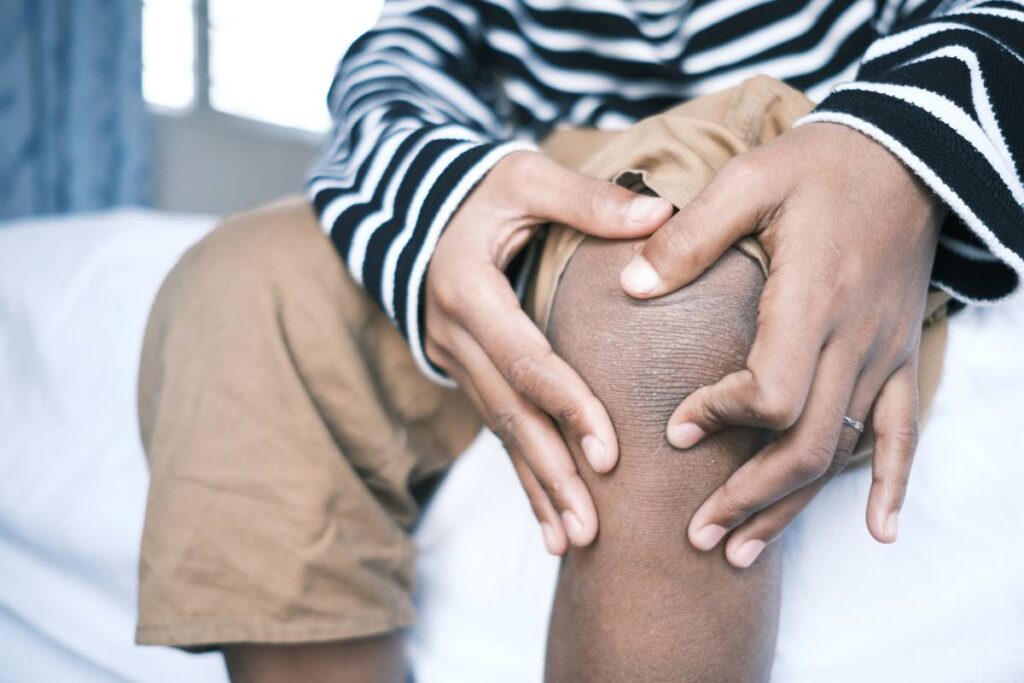
Patellofemoral pain syndrome (PFPS) is a common condition that is defined by pain located around or behind the kneecap. The kneecap sits in a special groove at the front of the femur known as the trochlea groove. The kneecap helps us to bend and straighten our knees more effectively. Patellofemoral pain syndrome is a general term that describes pain in the front of or behind your knee, or around your kneecap (patella). (1) Patellofemoral pain syndrome is also called ‘runner’s knee’ and anterior knee pain syndrome. (5,4) It is a common, non-serious cause of knee pain that is usually linked to overuse rather than injury. It is often seen in younger adults who participate in sports, although anyone can be affected, including those who are sedentary.
Frequently Asked Questions
Patellofemoral pain syndrome (PFPS) is defined as pain behind or around the kneecap (patella).
Common. Patellofemoral pain syndrome is a common cause of knee pain in adolescents and young adults, especially among those who are physically active and regularly participate in sports such as running.
It occurs in approximately 22% of the general population and 29% of adolescents. (8)
Patellofemoral pain syndrome is also called ‘runner’s knee’ and anterior knee pain syndrome. (5)(4)
No. With the right rehabilitation approach patellofemoral pain syndrome generally recovers well. (1)
Patellofemoral pain syndrome is not linked to other serious pathology.
It most often affects young adults, typically those who run or are involved in sports such as football or basketball and running. (7, 8)
Common between the ages of 14-40.
While the exact cause is unclear, it is believed to be due to overuse.
Risk factors include trauma, increased training and weaker muscles around the knee and hip.
Pain at the front of the knee, around and behind your kneecap. The onset of symptoms can be slow, with worsening pain during certain activities.
Pain going up and down stairs. Prolonged sitting can also aggravate the pain.
There are many things you can do to help recover:
Modify or reduce activities that cause pain.
Take simple pain relief if it helps manage your symptoms.
Exercise therapy is most effective in improving short- and long-term pain in patients with patellofemoral pain syndrome.
Outcomes of physiotherapy-led treatment for patellofemoral pain syndrome are overwhelmingly positive.
With appropriate actions taken at an early stage, functional recovery is very good.
Complete recovery and return to sport may take several months depending on the severity of your pain.
We recommend consulting a musculoskeletal physiotherapist to ensure exercises are best suited to your recovery. If you are carrying out an exercise regime without consulting a healthcare professional, you do so at your own risk.

The onset of the condition is usually gradual, although some cases may appear suddenly following a trauma. The typical signs and symptoms of patellofemoral pain syndrome include:
Patellofemoral pain syndrome is very rarely linked to a direct injury to the knee. Most often it develops gradually because of increased loads placed upon the knee, combined with biomechanical factors such as having flat feet (over-pronation) or tighter muscles (such as the hamstrings and quadriceps). The combination of increased load on the area and biomechanical changes can result in overload and sensitisation of the surface of the kneecap that sits within the trochlea groove. It used to be felt that the cause of pain was weakness or softening of the cartilage that lines the back of the kneecap. However, recent research has shown physical signs identified on imaging have poor correlation with the person’s levels of activity, pain and disability. (7)
This is not an exhaustive list. These factors could increase the likelihood of someone developing patellofemoral pain syndrome. It does not mean everyone with these risk factors will develop symptoms.

Patellofemoral pain syndrome is a common cause of knee pain in adolescents and young adults, especially among those who are physically active and regularly participate in sports. Patellofemoral pain syndrome is also called ‘runner’s knee’ and anterior knee pain syndrome. (4,5)
Musculoskeletal physiotherapists and other appropriately qualified healthcare professionals can provide you with a diagnosis by obtaining a detailed history of your symptoms. A series of physical tests might be performed as part of your assessment to rule out other potentially involved structures and gain a greater understanding of your physical abilities to help facilitate an accurate working diagnosis. Identification of various intrinsic and extrinsic factors that lead to patellofemoral pain syndrome will guide your treatment plan.
Your treating clinician will want to know how your condition affects you day-to-day so that treatment can be tailored to your needs and personalised goals can be established. Intermittent reassessment will ascertain if you are making progress towards your goals and will allow appropriate adjustments to your treatment to be made. Imaging studies like an MRI or ultrasound scan are usually not required to achieve a working diagnosis, but in unusual presentations, they may be warranted.
As part of the sessions with your physiotherapist, they will help you to understand your condition and what you need to do to help the recovery from your patellofemoral pain syndrome. This may include reducing the amount or type of activity, as well as other advice aimed at reducing your pain. It is important that you try and complete the exercises you are provided as regularly as possible to help with your recovery. Rehabilitation exercises are not always a quick fix, but if done consistently over weeks and months then they will, in most cases, make a significant difference.
Physiotherapist led rehabilitation is the gold-standard treatment for patellofemoral pain syndrome. The aims of rehabilitation are to identify which factors are influencing your knee joint pain and correct these with exercise. This may involve exercises to help strengthen the hip and knee region, and improve the flexibility of your hamstrings, calves and quadriceps. The physiotherapist may also discuss the most appropriate ways to reduce pain during your activities and discuss a phased return to your sport to minimise the chances of this problem recurring.
Our team of expert musculoskeletal physiotherapist can create rehabilitation plans to enable people to manage their condition. If you have any questions or concerns about a condition, we recommend you book an consultation with one of our clinicians.
For patients wanting to achieve a high level of function or return to sport, we would encourage a consultation with a physiotherapist as you will likely require further progression beyond the advanced rehabilitation stage. Before returning to sport, a rehabilitation programme should incorporate plyometric-based exercises; this might include things like bounding, cutting, and sprinting exercises. (5,7)
As part of a comprehensive treatment approach, your musculoskeletal physiotherapist may also use a variety of other pain-relieving treatments to support symptom relief and recovery. Whilst recovering you might benefit from a further assessment to ensure you are making progress and establish the appropriate progression of treatment. Ongoing support and advice will allow you to self-manage and prevent future reoccurrence.

Podiatry referral to address bio-mechanical issues in your feet may be helpful in the short term. However, there is a lack of quality evidence in regards to long-term value when it comes to patellofemoral pain syndrome. In the extremely unlikely scenario that performing your rehabilitation and modifying your activity does not settle your symptoms, you may be referred to see an orthopaedic surgeon (a doctor who specialises in the treatment of bone and joint disorders).
References
Other Conditions in Knees